
From fishing villages to upscale neighborhoods: the history of João Pessoa's seafront occupation
Article 57 of 100 · September 10, 2026 · 1 min read · Destino João Pessoa
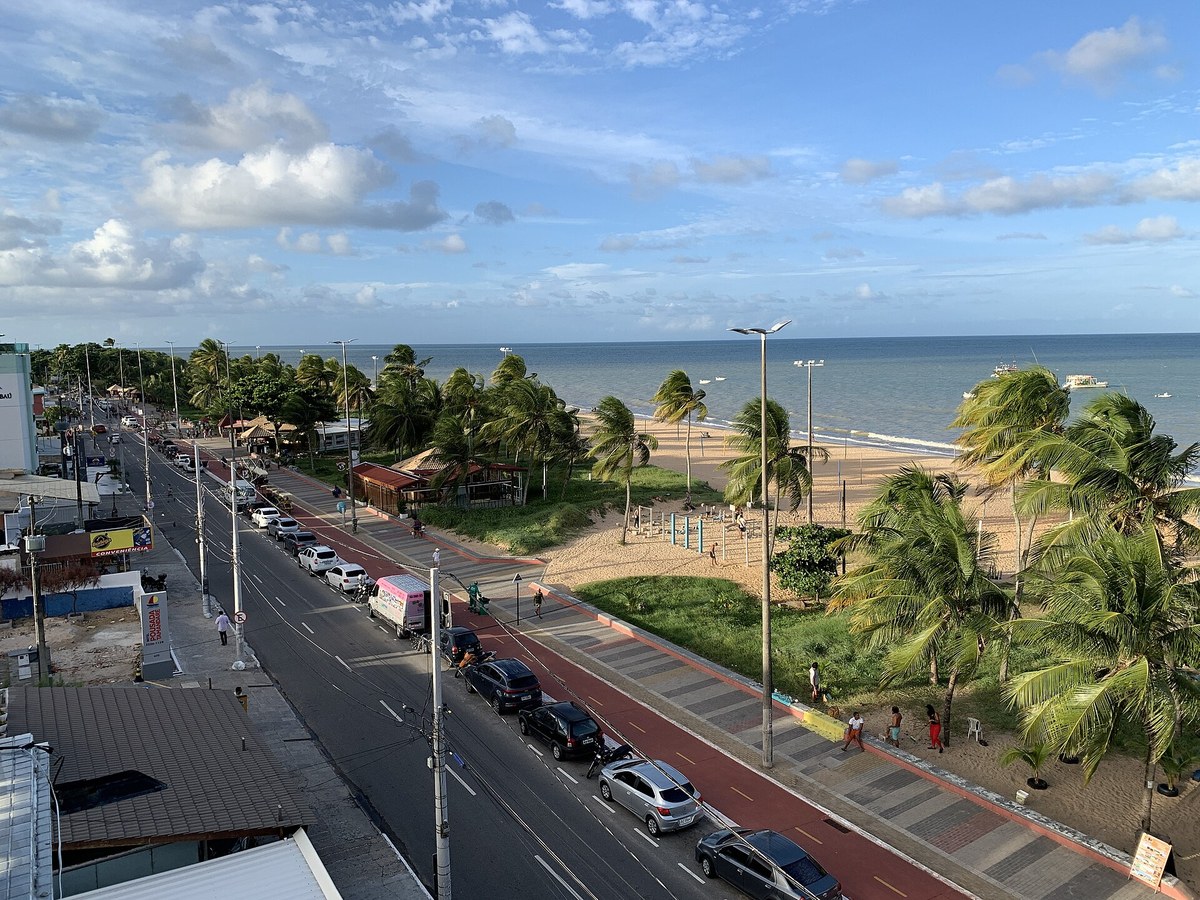
Until the construction of Avenida Epitácio Pessoa, the João Pessoa coastline was occupied only by fishing colonies.
The seafront that today concentrates João Pessoa's most valued neighborhoods — Tambaú, Cabo Branco, Manaíra and Bessa — had relatively recent urban occupation in the city's history, which was founded in 1585 on the banks of the Sanhauá River. According to research from the Federal University of Paraíba on the urban evolution of Tambaú, until the construction of Avenida Epitácio Pessoa, the João Pessoa coastline was occupied only by fishing colonies and simple summer houses, far from the city's historic center, then concentrated along the riverbanks.
João Pessoa's gradual move toward the sea took place through the opening of avenues, the arrival of the railroad, land subdivisions, and the establishment of hotels and services throughout the 20th century — a process that, according to a report published in August 2026, transformed the coastal strip from a peripheral area into the city's most valued region. Avenida Epitácio Pessoa, the structural axis of this transformation, saw its most intense changes between 1980 and 2001, a period studied in a UFPB master's thesis on the avenue's urban landscape.
This history helps explain why the current appreciation of neighborhoods such as Cabo Branco and Tambaú is not a recent phenomenon: it is the consolidation of a decades-long process of public and private investment in road, tourism and hotel infrastructure, which transformed the city's former fishing periphery into João Pessoa's most expensive region per square meter.
Understanding this trajectory also explains why neighborhoods farther from the seafront — with more recent occupation and still dependent on infrastructure — tend to have lower prices and appreciation trajectories different from those seen along the consolidated coastal strip.