
The Historic Center of João Pessoa: origin and heritage of the city
Article 26 of 100 · September 10, 2026 · 2 min read · Destino João Pessoa
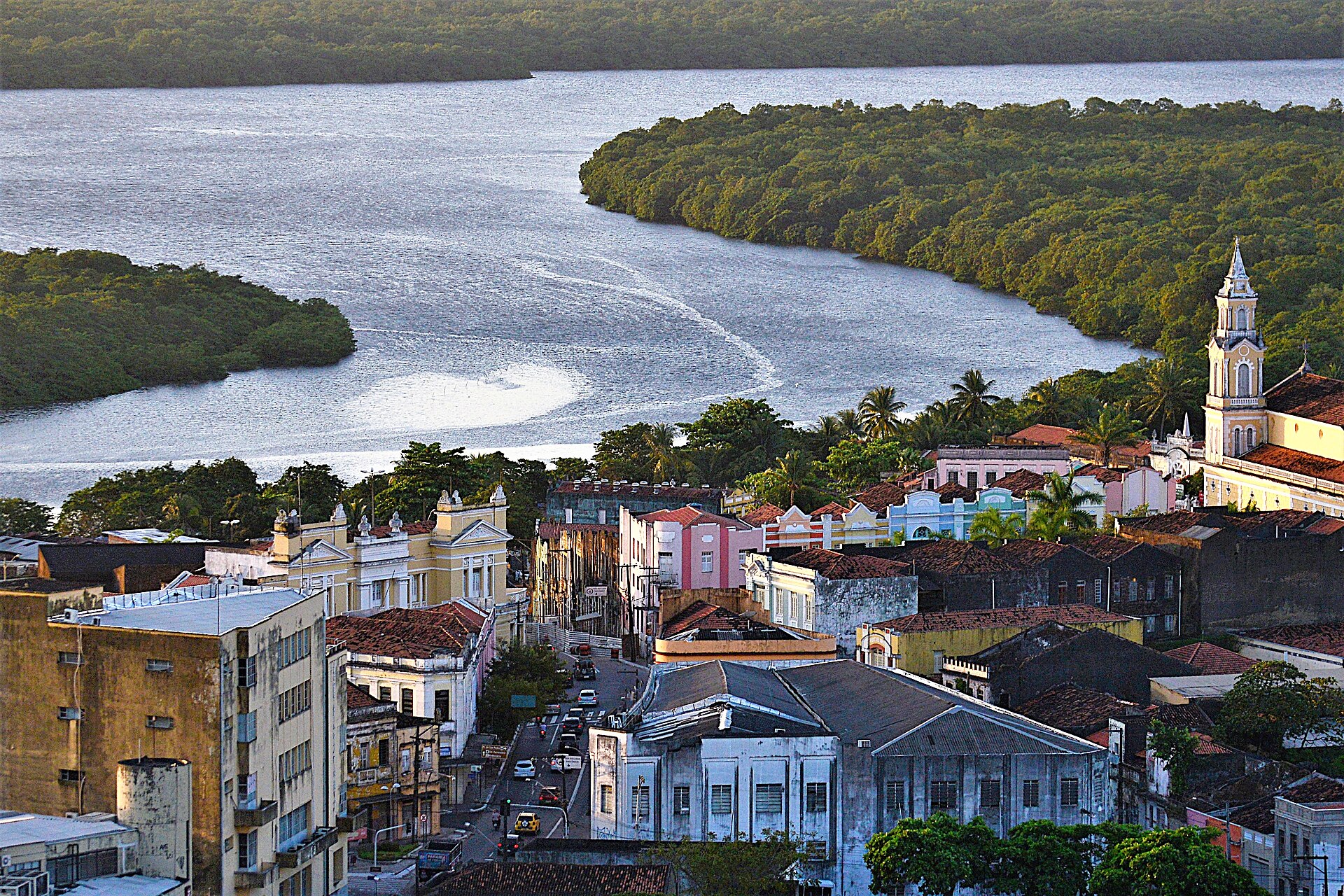
João Pessoa's old center brings together 502 buildings listed by IPHAN across the Varadouro and Cidade Alta neighborhoods.
João Pessoa was founded on August 5, 1585, on the banks of the Sanhauá River, under the name Cidade Real de Nossa Senhora das Neves. The city is often presented, by the City Hall and by press outlets, as the "third-oldest city in Brazil" — a classification that uses a specific criterion: that of urban centers that were already born with official city status, rather than as a town or village. By this criterion, João Pessoa would come after Salvador (1549) and São Sebastião do Rio de Janeiro (1565). Older locations in terms of occupation, such as São Vicente (1532) and Olinda (1535), would have been founded as towns rather than cities — which is why they are left out of this specific count. It is important to understand this classification as dependent on the criterion used, and not as an absolute consensus about "the oldest city" in the country.
The Historic Center brings together buildings from the 17th and 18th centuries, with Baroque influences and, later, Art Nouveau and eclectic styles. On December 6, 2007, the complex was recognized as national heritage by the National Historic and Artistic Heritage Institute (IPHAN), listed in the Books of Historic, Archaeological, Ethnographic and Landscape Heritage. The process, started in 2002 by a local association and forwarded to the Ministry of Culture, was concluded with the delivery of a certificate to the then-mayor in August 2008.
The heritage listing covers 502 buildings, spread across 25 streets and six squares, in an area of about 370,000 m², covering a large part of the Varadouro (Cidade Baixa) and Cidade Alta neighborhoods, as well as the old Porto do Capim, the city's founding site. IPHAN justified the protection by its landscape value — the complex integrates mangrove vegetation, the river and the sea — and by its artistic value, the result of bringing together buildings of distinct styles and periods.
Today, the Historic Center is the starting point for anyone wanting to learn about the urban formation of the Paraíba state capital, with churches, colorful mansions and sloped streets linking the upper part of the city to the riverside, where the city began.