
Bathing water quality: how to know if a beach is safe for swimming
Article 61 of 100 · September 10, 2026 · 1 min read · Destino João Pessoa
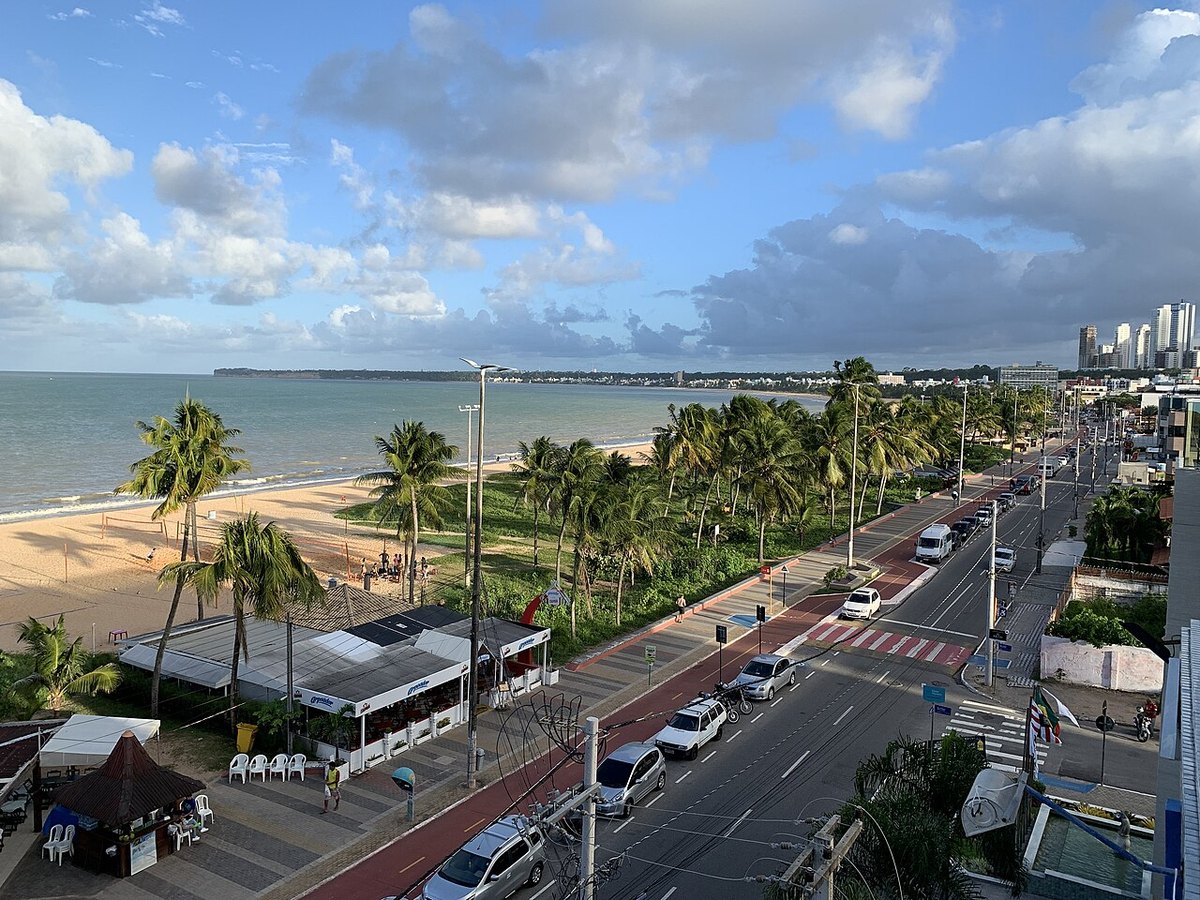
Sudema publishes periodic reports on seawater quality at monitored points along the entire Paraíba coast.
Bathing water quality (balneabilidade) is the indicator that defines whether water is suitable for primary-contact recreation, such as bathing, swimming and diving, based on parameters such as the presence of bacteria indicating contamination. In Paraíba, this monitoring is carried out by the Superintendência de Administração do Meio Ambiente (Sudema), the state agency that collects samples at fixed points along the coast, from João Pessoa to other coastal municipalities, and publishes reports classifying each stretch.
Bathing water bulletins are released regularly, generally weekly, and are available on Sudema's website, indicating whether each sampled point is suitable or unsuitable for swimming during the period evaluated. It is common that, during periods of heavier rainfall, some stretches of the coast — especially near river and canal mouths — temporarily appear as unsuitable, due to organic matter and other contaminants being carried into the sea.
The practical recommendation for swimmers is to check the most recent report before going to the beach, especially during holidays and peak season, when movement at tourist spots increases. Local press, such as newspapers and news portals in Paraíba, usually republish weekly the list of unsuitable stretches released by Sudema, making the information easier to access.
It is worth noting that the bathing water classification can change from one week to another, and neighboring stretches of the same beach may have different results, depending on proximity to river mouths, drainage canals or sewage discharges — which is why Sudema's guidance is to always check the specific bathing spot, rather than just the beach's general name.